Peabody Housing Disrepair Claims
Damp, mould, leaks or unresolved repairs in your Peabody home? Learn about your rights and available options.
Peabody Housing Disrepair Claims: Understanding Your Rights
If you are living in a Peabody property and experiencing issues such as damp and mould, leaks, structural defects, heating failures or unresolved repairs, you may be looking for information about your rights as a tenant. Housing associations have responsibilities relating to the maintenance of their properties, and tenants are entitled to live in homes that are safe and suitable for occupation.
This guide explains Peabody Housing Disrepair Claims, common repair issues reported by tenants, landlord responsibilities and information that may help you understand your available options.
About Peabody
Peabody is one of the largest housing associations in London and the South East, managing thousands of homes across a wide range of communities. Established in the 19th century, the organisation provides social and affordable housing to residents throughout the region.
As a landlord, Peabody is generally responsible for maintaining certain aspects of its properties, including structural elements, plumbing systems, heating installations and essential services. When repair issues arise, tenants are encouraged to report them promptly so appropriate action can be taken.
Common Repair Problems in Peabody Properties
Housing disrepair can take many forms, ranging from minor maintenance concerns to more significant issues affecting daily life.
Common problems reported by tenants include:
- Damp and mould
- Condensation issues
- Roof leaks
- Water ingress
- Plumbing defects
- Faulty boilers
- Heating and hot water failures
- Electrical faults
- Broken windows and doors
- Pest infestations
- Structural cracks
- Ventilation problems
The impact of these issues will vary depending on the circumstances and severity of the defect.
Damp and Mould Issues
Damp and mould are among the most common concerns raised by tenants living in social housing properties.
Damp may develop because of:
- Roof leaks
- Water penetration through walls
- Defective guttering
- Plumbing leaks
- Poor ventilation
- Structural defects
If left unresolved, damp can lead to mould growth on walls, ceilings, furniture and personal belongings. Mould may spread quickly and can affect multiple areas of a property.
Tenants should report damp and mould issues as soon as possible and keep records of all communications regarding repairs.
Leaks and Water Damage
Water leaks can cause significant damage when not addressed promptly.
Examples include:
- Leaking roofs
- Burst or damaged pipes
- Faulty plumbing systems
- Water penetration through walls
- Overflowing gutters and drains
Persistent water leaks may contribute to damp conditions, mould growth and deterioration of the property’s structure and interior surfaces.
Photographs and maintenance records may help document the extent of any damage.
Heating and Hot Water Problems
Heating and hot water systems are essential for maintaining a comfortable living environment.
Issues can include:
- Boiler breakdowns
- Faulty radiators
- Lack of hot water
- Intermittent heating
- Complete heating system failures
These problems may become particularly difficult during colder months. Tenants should ensure that faults are reported promptly and keep records of repair requests.
Electrical Issues and Safety Concerns
Electrical problems can present both inconvenience and potential safety risks.
Examples may include:
- Faulty wiring
- Broken sockets
- Power failures
- Damaged lighting systems
- Electrical installation defects
Any concerns relating to electrical safety should be reported immediately to the landlord or appropriate maintenance provider.
Structural Defects and Property Damage
ome housing disrepair issues involve the structure of the property itself.
Examples include:
- Cracked walls
- Damaged ceilings
- Subsidence concerns
- Defective brickwork
- Roofing defects
- Unsafe flooring
Structural issues can worsen over time if repairs are delayed, making early reporting particularly important.
Landlord Repair Responsibilities
Housing associations generally have obligations relating to the maintenance and repair of the homes they manage.
Responsibilities often include:
- Maintaining the structure and exterior of the property
- Repairing roofs and walls
- Maintaining plumbing and drainage systems
- Ensuring heating installations function correctly
- Repairing electrical systems where required
- Maintaining sanitation facilities
Specific responsibilities may vary depending on tenancy agreements and individual circumstances.
What Are Peabody Housing Disrepair Claims?
Peabody Housing Disrepair Claims relate to situations where repair issues may not have been resolved within a reasonable period after being reported.
Whether a claim may be possible depends on several factors, including:
- The nature of the repair issue
- Whether the landlord was notified
- The length of time repairs remained unresolved
- The evidence available
- The impact of the issue on the tenant
Each situation should be considered on its own facts.
Evidence That May Help Support a Claim
Good documentation can help establish a timeline of events and demonstrate the nature of any repair issues.
Examples of useful evidence include:
- Photographs
- Videos
- Emails and letters
- Complaint records
- Repair reports
- Inspection records
- Surveyor reports
- Witness statements
- Medical documentation where relevant
Maintaining detailed records may help support discussions regarding unresolved repairs.
Steps Tenants Can Take
If you are experiencing ongoing repair issues in a Peabody property, you may wish to:
- Report the problem as soon as possible.
- Keep copies of all correspondence.
- Take photographs and videos of the issue.
- Record dates of inspections and repair visits.
- Retain any repair reference numbers.
- Seek professional advice where appropriate.
Last year, our helpline supported over 56,700 households across England and Wales.
Tenants Advice is a claims management company operating all across England and Wales. While you can make a claim for free using the Housing Ombudsman Service or pursue it yourself, we offer expert support
The Results We Deliver.
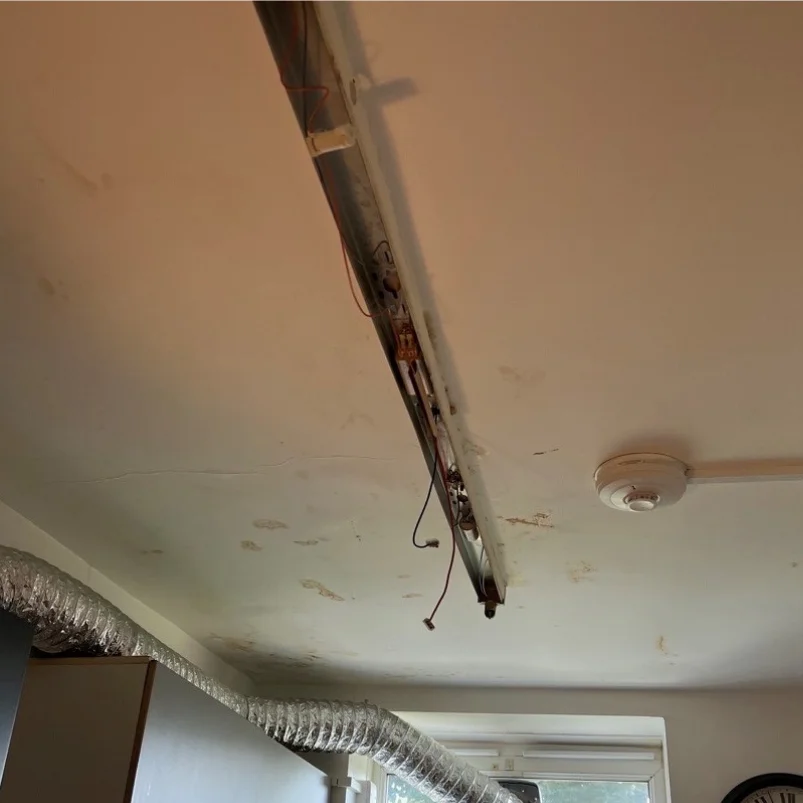
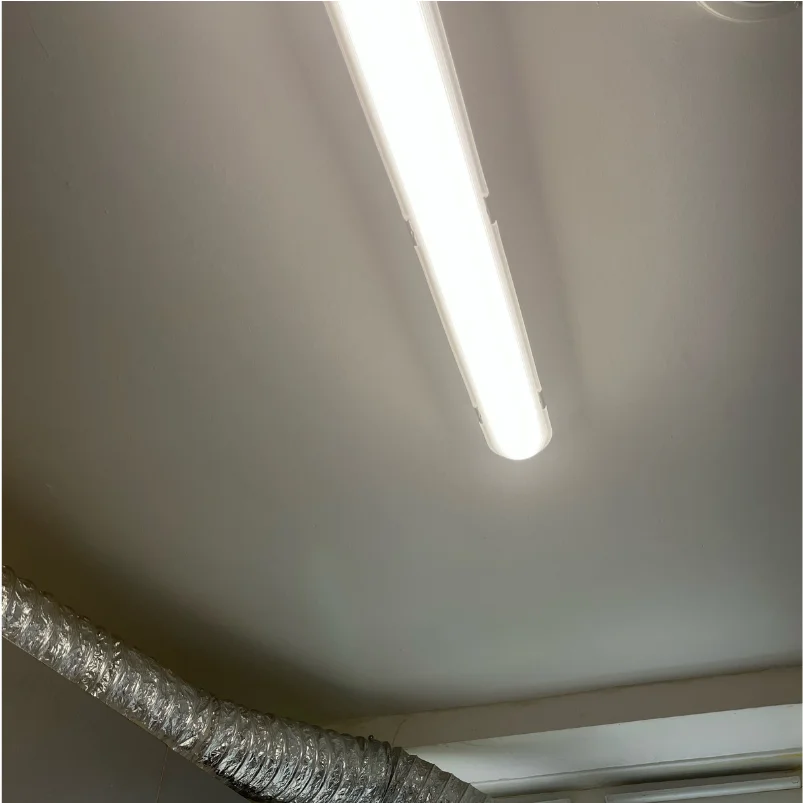
Dangerous, exposed light fitting.
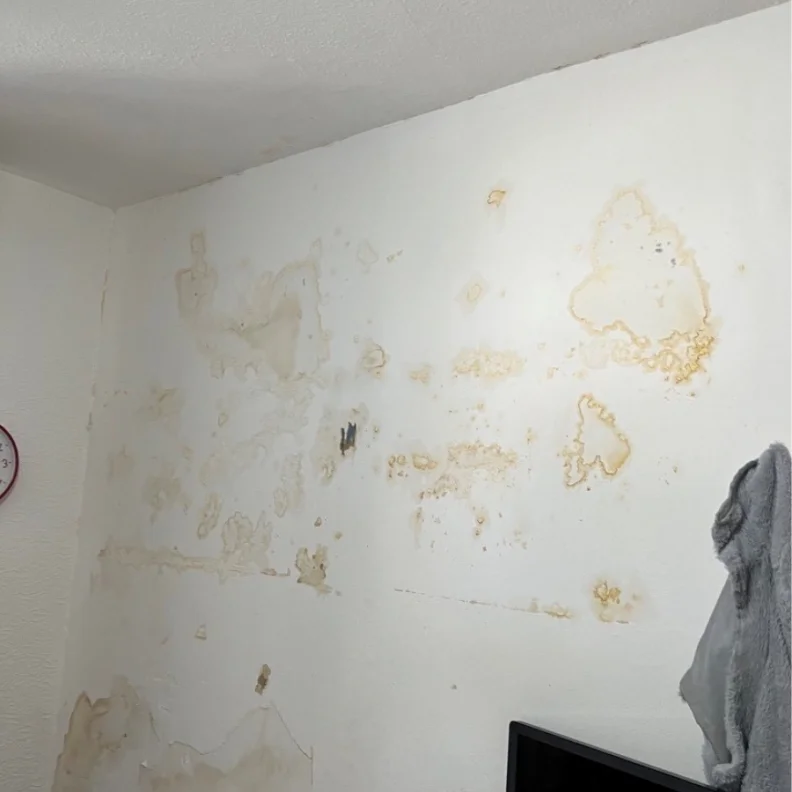
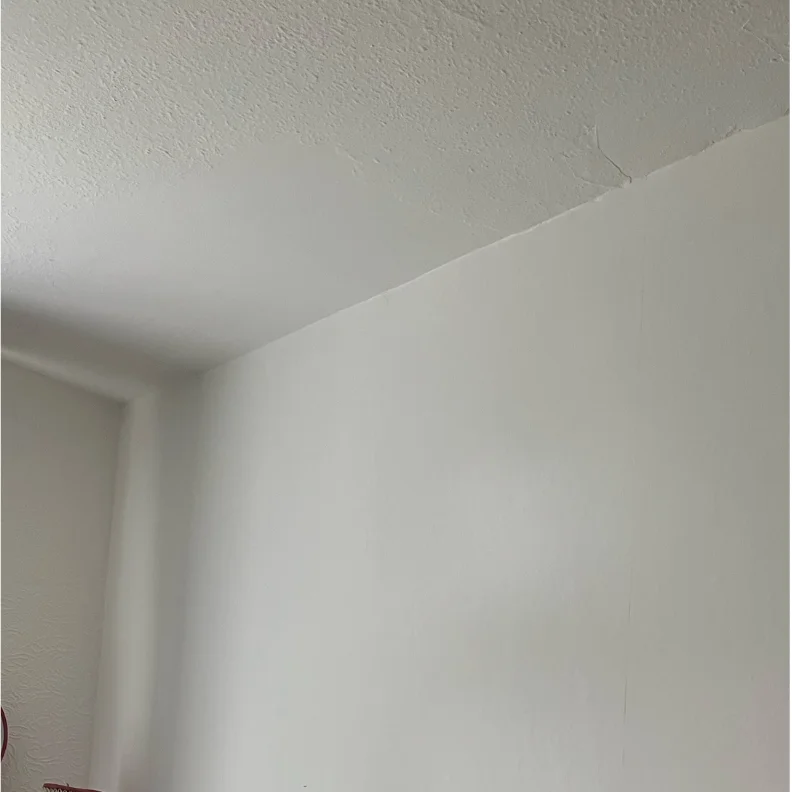
Fully repaired wall.
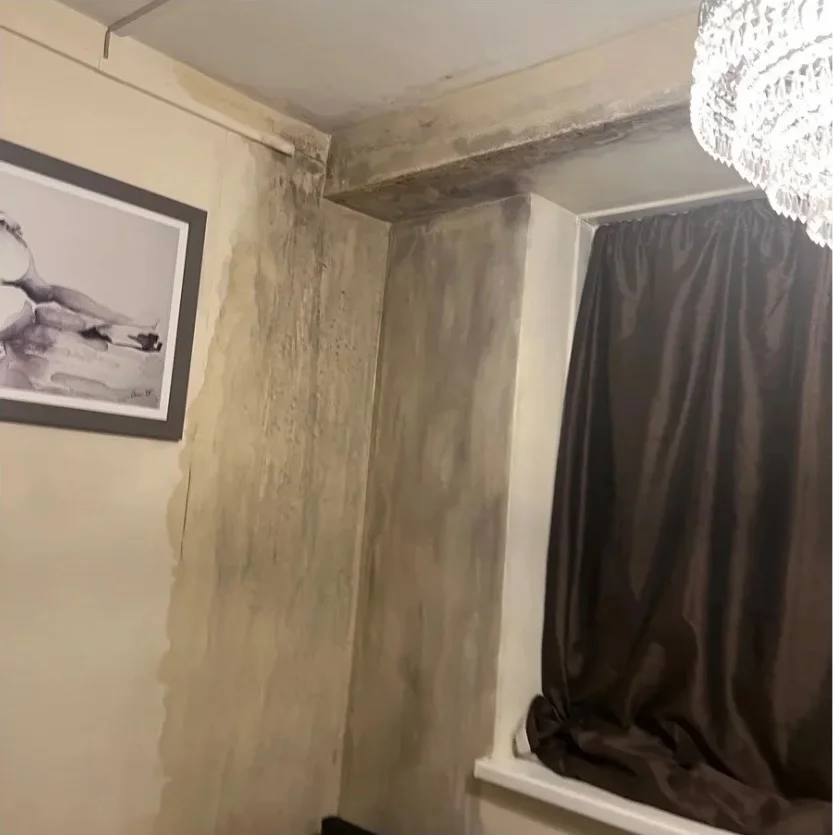
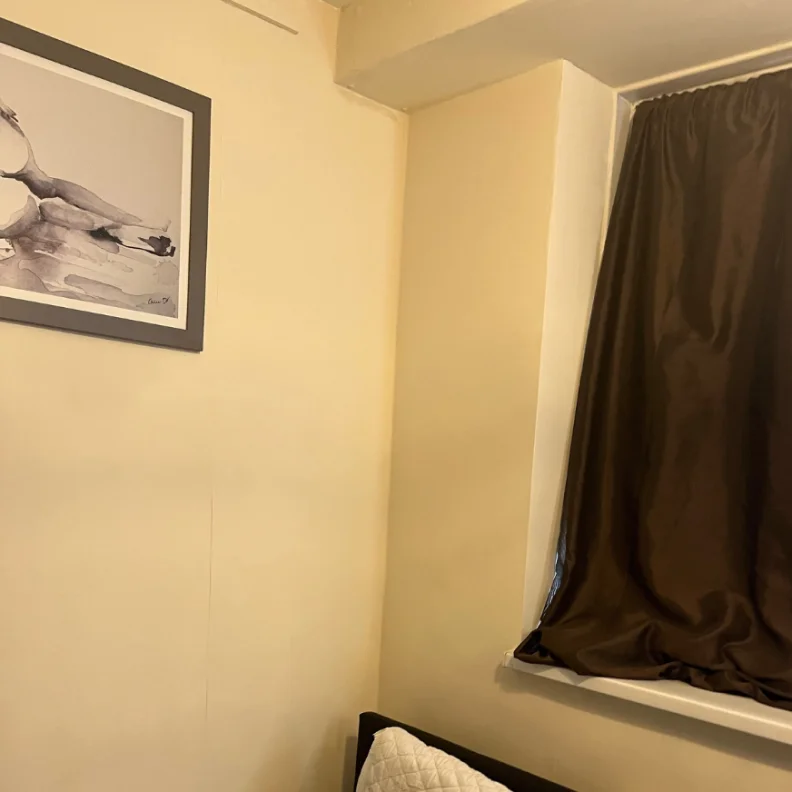
Replastered wall.
Why Choose Tenants Advice for Your Housing Disrepair Claim?
If you’re dealing with damp, mould, leaks or any other outstanding repairs, L&Q have an obligation to ensure your repairs are completed. You need a team that understands your local challenges and is committed to your well-being. At Tenants Advice, we pride ourselves on: