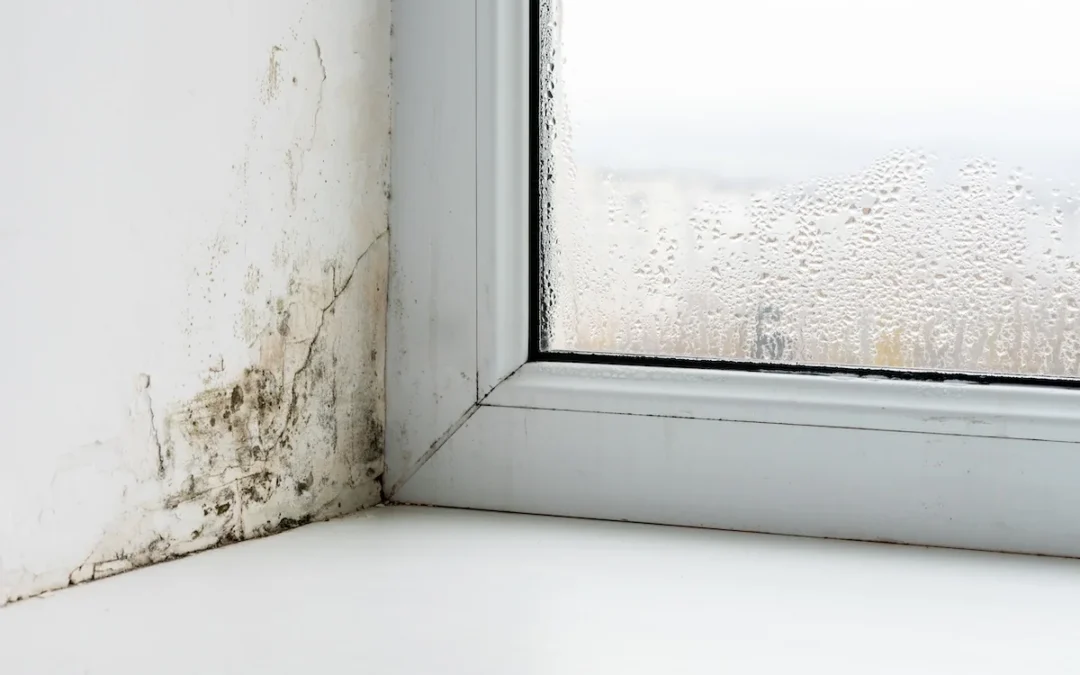
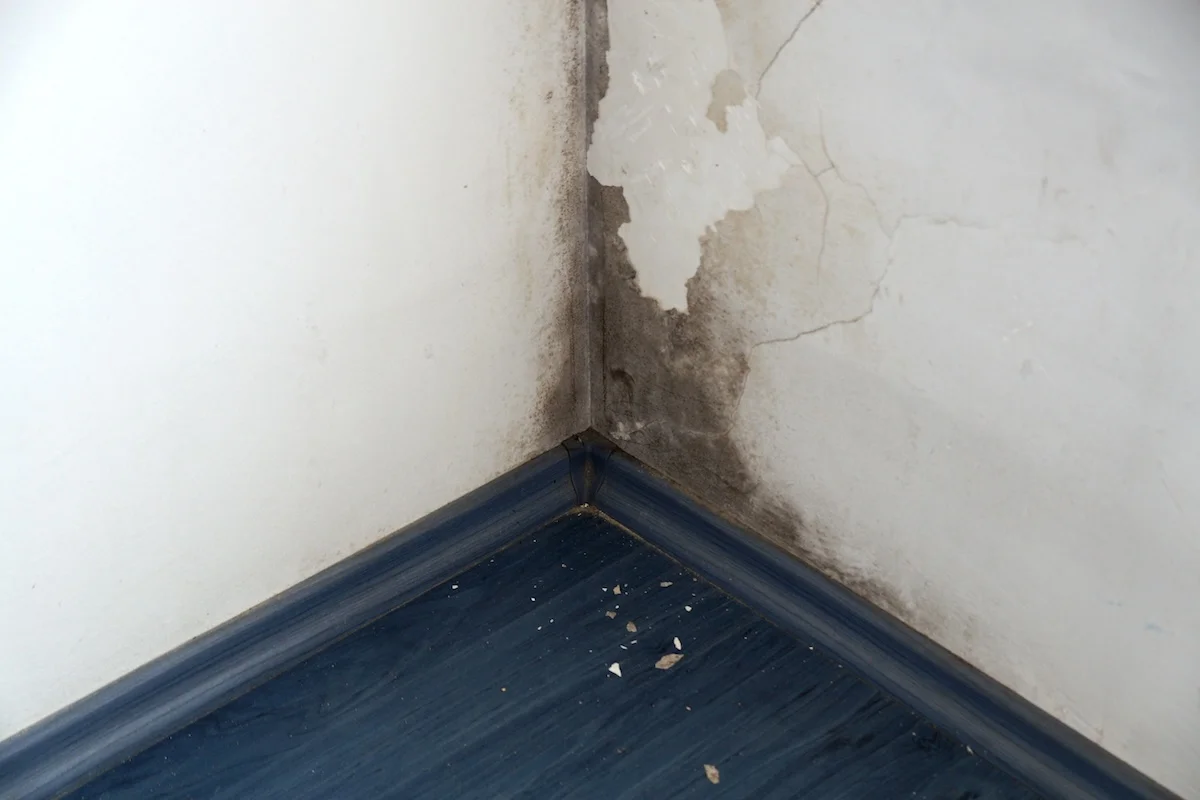
Living in a home that is unsafe, damp, or in a state of disrepair is not something any tenant should have to endure. If your landlord has failed to carry out repairs despite being notified, you have a legal right to take action — including claiming compensation for the harm the disrepair has caused.
This step-by-step guide walks you through the housing disrepair claims process from start to finish, so you know exactly what to expect.
What Is a Housing Disrepair Claim?
A housing disrepair claim is a legal action taken by a tenant against their landlord for failing to maintain the property in a reasonable state of repair. It can result in the landlord being compelled to carry out the necessary repairs and paying the tenant financial compensation.
Housing disrepair claims are most commonly made by social housing tenants — those renting from a council or housing association — though private tenants also have rights under different legal frameworks.
What Counts as Housing Disrepair?
Housing disrepair refers to any part of your home that is not in the condition required by law. Common examples include:
- Damp and mould caused by structural defects or failing damp-proof courses
- Leaking roofs, pipes, or windows
- Broken or non-functioning boilers and heating systems
- Faulty or dangerous electrical wiring
- Structural problems such as subsidence, cracked walls, or ceiling collapse
- Infestations of rodents, cockroaches, or pigeons caused by structural defects
- Rotten or broken doors and windows that cannot be properly closed or locked
- Blocked or damaged sewage and drainage systems
Landlord Responsibilities Under the Law
Your landlord is legally responsible for the structure and exterior of your property, as well as gas, electrical, heating, and water installations. If any of these are not in working order, it is the landlord’s duty to repair them.
Step-by-Step: How to Make a Housing Disrepair Claim
Step 1: Document the Disrepair
Before taking any formal action, gather as much evidence as possible. This significantly strengthens your claim. You should:
- Take clear, time-stamped photographs of all areas of disrepair
- Keep a diary of how the disrepair is affecting your daily life, health, and wellbeing
- Note any damage to your belongings caused by the disrepair (e.g., mould on clothing or furniture)
- Collect any medical records or prescriptions if the disrepair has affected your health
Step 2: Report the Disrepair to Your Landlord in Writing
You must notify your landlord of the disrepair before making a claim. This is a legal requirement. Write to your landlord — by email, letter, or through the official repair reporting system — clearly describing:
- The specific problem (e.g., ‘Black mould on the bedroom ceiling, measuring approximately 1 metre square’)
- How long the problem has been present
- How it is affecting you and other occupants
- A request for the repair to be carried out within a reasonable timeframe
Keep a copy of all correspondence and note the date and method of every communication.
Step 3: Allow a Reasonable Time for Repairs
Once you have notified your landlord, they must carry out the repairs within a ‘reasonable time’. What is reasonable depends on the nature of the disrepair. Emergency situations — such as a complete boiler failure in winter or a gas leak — require immediate action. Non-urgent repairs may take longer, but any delay of more than a few weeks without a clear plan from the landlord may be considered unreasonable.
Under Awaab’s Law (for social housing tenants), specific timelines now apply: emergency repairs must begin within 24 hours, and non-emergency damp and mould issues must be investigated within 14 days.
Step 4: Contact Tenants Advice
If your landlord has not responded or has failed to carry out repairs within a reasonable time, contact Tenants Advice. Our advisers will assess your situation and determine whether you have grounds for a claim. The call is completely free.
Call 0800 047 2017 or complete our online form at tenantsadvice.co.uk/start-a-claim/
Step 5: We Refer You to a Specialist Solicitor
If your case has merit, we will refer it to one of our panel solicitors who specialise in housing disrepair. They handle cases on a no win no fee basis, which means:
- No upfront costs for you
- If your case succeeds, the solicitor recovers most of their fees from your landlord
- You agree to pay the solicitor a success fee of up to 25% of your compensation if the case succeeds
- If the case is unsuccessful, you pay nothing
Step 6: Your Solicitor Takes Action
Your solicitor will contact your landlord formally, setting out the legal basis for the claim and requesting that the repairs are completed and compensation paid. In many cases, landlords agree to settle without the matter going to court — particularly once they receive a formal letter from a solicitor.
If the landlord refuses to engage, your solicitor can apply to the county court for an order compelling repairs and awarding you compensation.
Step 7: Resolution
Most housing disrepair claims are resolved within a few months. If your claim succeeds, you will receive compensation for your losses, and your landlord will be required to carry out the necessary repairs. Your solicitor will deduct their success fee from the compensation received.
How Much Compensation Could You Receive?
Compensation in housing disrepair cases varies according to:
- The severity and duration of the disrepair
- The impact on your health and quality of life
- Whether children or vulnerable people are affected
- Any financial losses caused by the disrepair
Awards typically include a percentage of rent paid during the period of disrepair (known as general damages), plus additional amounts for personal injury, property damage, or other losses. Successful claims can result in settlements ranging from a few hundred to several thousand pounds.
Start Your Housing Disrepair Claim Today
Call our free helpline: 0800 047 2017
Monday to Thursday 8am-6pm | Friday 8am-4pm | Saturday 10am-2pm