After experiencing homelessness four separate times, Kerrie Portman initially felt fortunate when she finally secured a flat in Cambridgeshire.
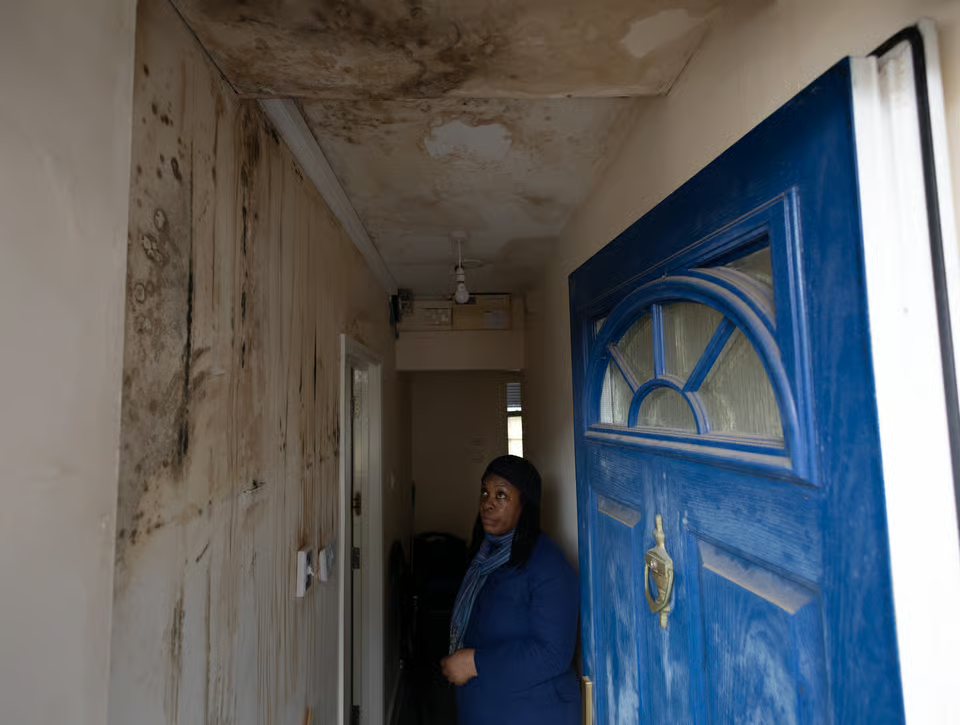
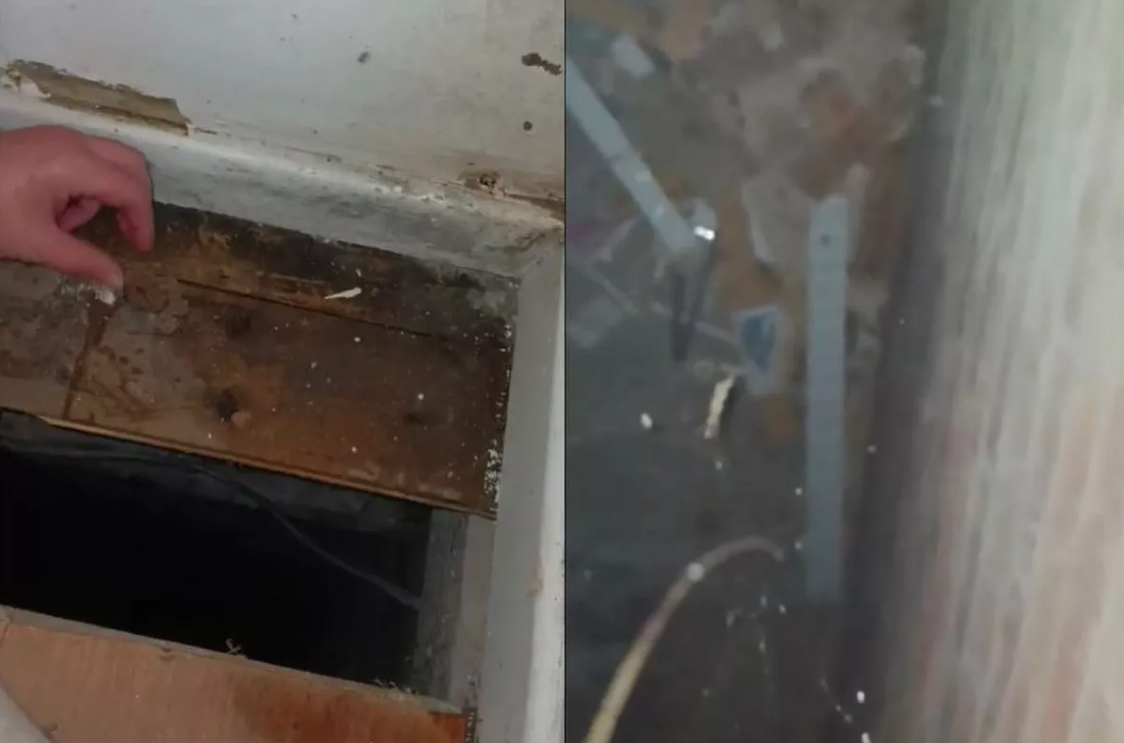
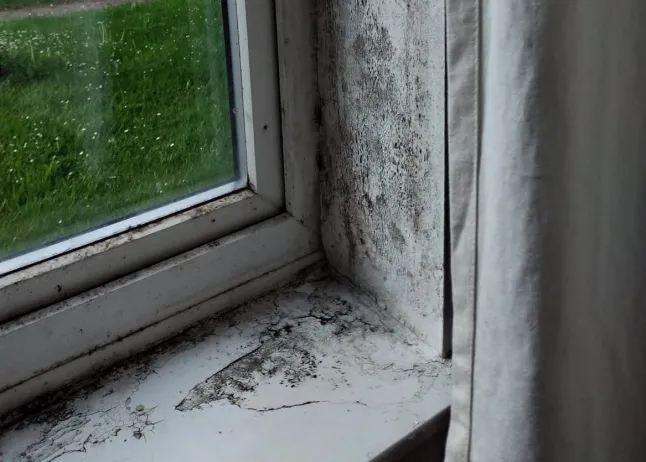
However, it wasn’t long before she realised something was wrong. Her clothes stayed damp, her mattress felt wet, and mould spread across the walls and around the windows.
Her health quickly deteriorated. She developed long-term conditions, including chronic fatigue, chest discomfort, and difficulties breathing.
Kerrie, 27, told Metro: ‘When I attended A&E, the doctors told me there wasn’t anything they could do whilst I was living in such a toxic building.’
Despite this, she said her landlord ignored her requests for help, and she was temporarily moved out by officials so repairs could be carried out.
According to Kerrie, when she returned, none of the promised work had been completed.
She added: ‘I was moved between a couple of areas I’d never been to before, with only a few hours’ notice.’
Her return was short-lived. Kerrie soon received a no-fault eviction from the same landlord.
‘Even when I found a flat and later moved to student accommodation, I was constantly terrified of becoming homeless again, which did ultimately happen,’ she said.
Kerrie’s experience reflects a wider national problem. She is one of the estimated quarter of UK residents living in homes that pose a risk to their health.
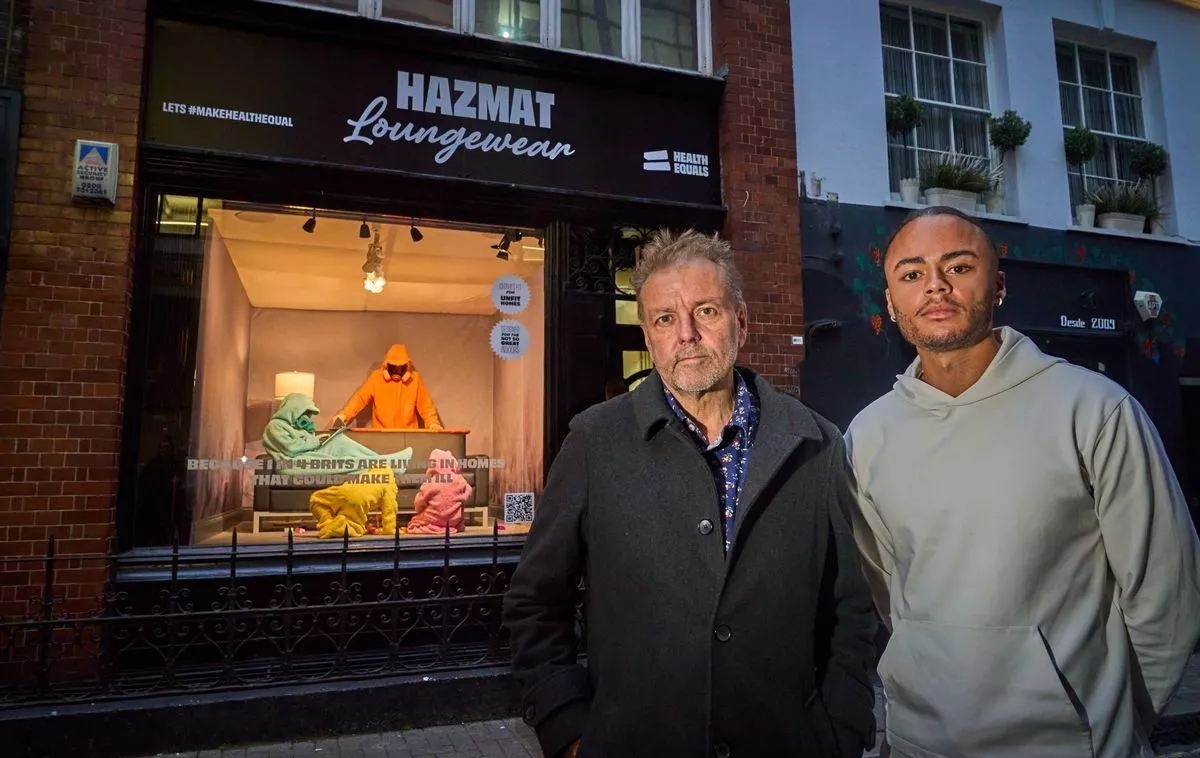
Research from Health Equals suggests around 15 million people are affected by issues such as persistent damp, mould, or inadequate heating.
Nearly half of households facing mould or damp contain children.
From a survey of 3,982 adults in October, Health Equals reported that:
-
Those in the lowest-income groups are nearly twice as likely to live with damp and mould, and four times more likely to struggle with cold homes.
-
Almost half of the people affected experienced health symptoms.
-
Among them, 61% said someone in the household needed medical care, rising to 75% for Londoners.
-
Around 30% said illness linked to mould resulted in missing work or children missing school.
Paul McDonald, the charity’s chief campaign officer, said the findings highlight the UK’s entrenched health inequalities, where poverty directly harms people’s wellbeing.
With rising energy costs and many properties lacking proper insulation, some households are unable to heat their homes sufficiently.
People of colour and older adults are particularly vulnerable to living in damp environments.
Another resident, Barbara, told Metro that the mould taking over her home left her family anxious.
She said: ‘The air in the house was constantly heavy, damp, and unpleasant and it was nearly impossible to keep the rooms feeling fresh or comfortable.’
During colder months, she explained, keeping windows closed made matters worse.
‘Our children were affected the most. They were uncomfortable, restless, and often scared to go near the mould-covered walls,’ she said.
‘Their ability to play and relax was limited by the dampness and by the lack of space in the property, which made air circulation even harder.’
Barbara’s daughter, who has a family history of asthma, became seriously unwell. After weeks of cold- and asthma-like symptoms, doctors urged the family to leave the property.
According to Barbara, her landlord showed no interest in resolving the issue.
‘We were left to cope with the situation alone, even as our children’s health worsened,’ she said.
In response to cases like these, Awaab’s Law — named after two-year-old Awaab Ishak, who died in 2020 after prolonged exposure to mould in social housing — now compels social landlords to fix life-threatening hazards promptly.
However, McDonald argues that similar rules should apply to all landlords and that the government must introduce minimum standards for private rented homes well before its 2035 goal.
He also called for a nationwide plan to halve the number of “non-decent” homes within the next ten years.
McDonald said: ‘Our research lays bare a health crisis hidden behind closed doors inside people’s homes and the experiences of these two women are truly shocking.
‘A warm, dry, and healthy home isn’t a luxury, it’s a basic human right and is one of the building blocks of good health.’
After enduring severe mould exposure, Kerrie was eventually offered another home — but it was located about half an hour’s walk from the nearest bus stop.
Because she cannot drive due to her disabilities, this left her isolated, with limited access to essential services, work opportunities, and social connections.
For Kerrie, everything spiralled from a few mould spores gathering on her window sills.
‘Even years later, I’ve never recovered physically or mentally,’ she said.
Source: Metro, December 2025