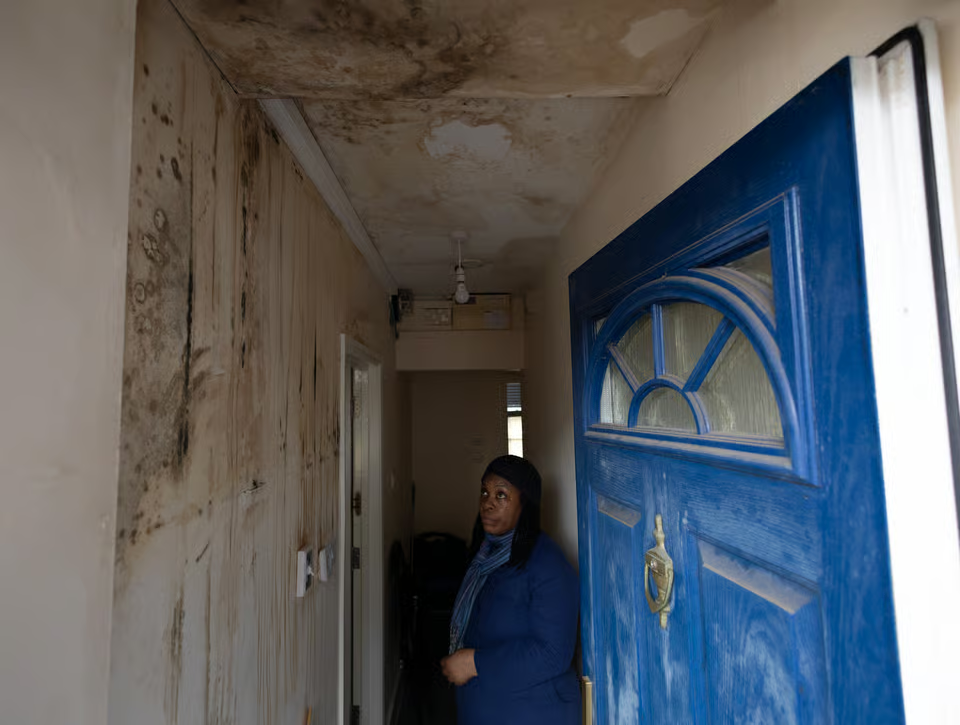
Norah Mensah has accused the local council of failing to take the problems in her flat seriously
Norah Mensah was asleep in her Southwark flat when she woke to the sound of what she first thought were fire alarms. She quickly realised the noise was coming from inside her own home and tried to switch them off herself, but was forced to call the London Fire Brigade for help.
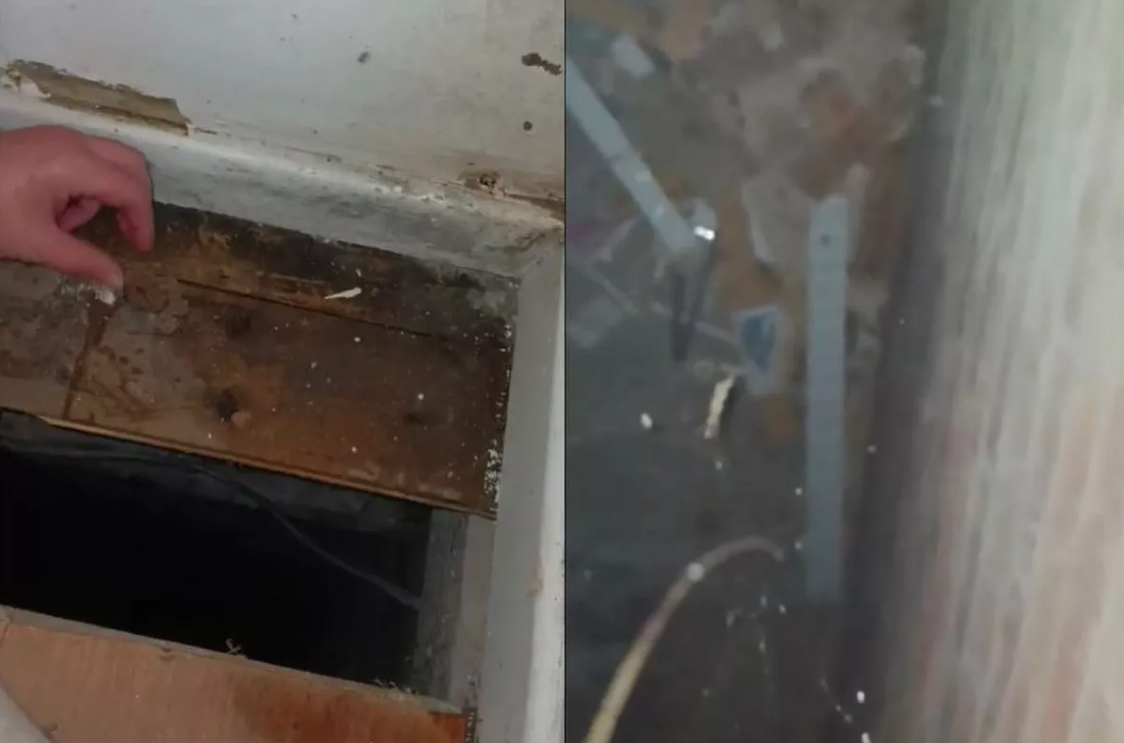
Norah recalls hearing a “massive bang” and smelling burning as water began trickling down the walls. When firefighters arrived, the lead officer was so concerned by the black mould covering the walls that he told her, “it’s not right you’re breathing this in.”
Nearly four months later, Norah says the encounter continues to “play on my mind”, as she worries about the long-term health effects on herself and her daughter. She has accused Southwark Council of failing to treat the issues in her flat seriously and claims that any repairs carried out have been temporary “patch up” jobs that do not last. She says a surveyor has previously informed her that the flat’s problems stem from structural faults.
Cllr Michael Situ, Cabinet Member for Council Homes at Southwark Council, told the Local Democracy Reporting Service (LDRS): “We have a specialist Damp and Mould Team which focuses completely on preventing, identifying and stopping damp and mould in council homes. The tenant has raised this with our team. We have undertaken some treatment to their property and we will be working with them as a priority to agree for the completion of repairs as soon as possible, prioritising health and safety issues such as damp.”
However, Norah insists the flat is beyond repair and is calling for the council to rehouse her in a safe property.
Having lived in the council flat for 17 years, she says the problems started not long after she moved in. She describes her home as unfit for human habitation, with leaks frequently reaching the electrics. “People might think I’m exaggerating but I’m not, it’s literally like being in a bad dream – it’s just a constant nightmare which hasn’t stopped,” she told the LDRS.
“I don’t sleep, I don’t know how to relax any more because I’m worried, I’m constantly worried. I’ve got so used to leaks that I’m always looking up at the ceiling because you can hear, ‘tap, tap, tap’, you can literally hear the water dripping so I’m always looking up hoping there’s not going to be another leak.”
Norah added that the leaks have become so severe she has sometimes had to wear raincoats and use umbrellas while in her own kitchen. “The flat’s not safe, it really isn’t. The other day there was an electrical surge which knocked out the electrics. This has been happening for years and I’ve always spoken about it and reported it but it’s never taken seriously – I’ve never been taken seriously. My history is always chasing, chasing and chasing – there’s two occasions where I definitely could have been electrocuted. One time I was hoovering and there was a massive bang with sparks coming out of the plug area and then it knocked out all the lights so I couldn’t use that socket any more. A similar incident happened in the kitchen and the plug just blew.”
The ongoing mould and damp have also affected the mental and physical health of both Norah and her daughter, with concerns raised by doctors and counsellors, she says. Norah believes her daughter’s asthma was caused by the conditions in the flat. “She was born healthy but she started getting chest infections, I couldn’t understand so I was going back and forth with the doctors. They confirmed it was chest infections and gave her medication but it kept happening so one day I was tidying up the flat and I noticed some black mould just behind her bed. It started getting in the furniture, her toys, our clothes, all you could smell was damp and the black mould was everywhere. Meanwhile my daughter is getting ill all the time and eventually, she developed asthma.”
Despite being on the council’s housing transfer list since 2010 and applying multiple times to move on medical grounds, Norah remains on the lowest priority banding. Over the years, she has had to discard sentimental belongings worth thousands due to mould and damp. The rest of her possessions are packed in plastic bags and cardboard boxes to prevent further damage.
Norah says she believes the council’s lack of urgency is linked to the legal action she has taken to secure repairs and a personal injury claim for herself and her daughter. She is now being supported by the Southwark branch of the community union Acorn, which is calling for her urgent rehousing.
An Acorn spokesperson said: “Acorn is a community union with a proud history of defending its members against unacceptable housing conditions and bad landlords – no matter their size. When Norah came to us earlier this year with her case we were appalled to see the condition of her home, and to hear how she has been treated by Southwark Council. We have since reached out to the council to demand they rectify Norah’s situation and will continue to organise and advocate on her behalf until she gets the clean, safe, and comfortable home she deserves.”
Norah added: “I haven’t had any enjoyment in this flat and the fact I won personal injury for myself and my daughter on health grounds and I’m still here is beggars belief – why am I still here?”
Cllr Situ reiterated the council’s commitment to providing safe, decent homes for all residents: “Our priority is for all residents in Southwark to have a safe, decent home which fits their needs. We are working to become the best possible landlord to all our tenants to achieve this. There continue to be a huge demand for social housing in the borough with a waiting list of over 20,000 residents with varying requirements and accommodations needed. Despite the difficulties this presents we are rising to the challenge to build more council homes and do everything we can to support residents.”
Source: The Standard, November 2025