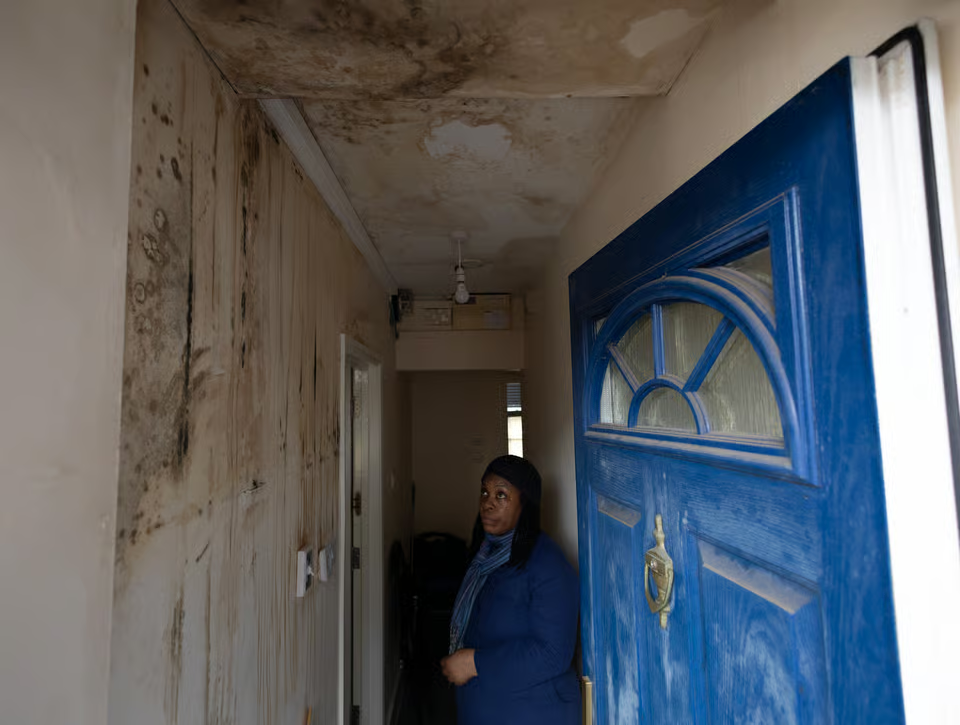
Damp and mould remain among the most widespread and damaging problems in the UK’s rented housing stock. Hundreds of thousands of tenants — particularly in social and council housing — are living in homes where walls are streaked with black mould, ceilings are water-damaged, and the air is thick with moisture. The consequences are serious: respiratory illness, worsening asthma, disturbed sleep, and significant damage to furniture and belongings.
If you are experiencing damp and mould in your rented home, you have rights — and your landlord has legal duties. This guide explains what the law says, what changed under Awaab’s Law, and what you can do if your landlord refuses to act.
Is Damp and Mould Your Landlord’s Responsibility?
In almost all cases, yes. Your landlord is legally required under the Landlord and Tenant Act 1985 to keep your home in a good state of repair. This includes the structure of the building, the roof, external walls, and any installations such as heating and hot water systems — all of which can contribute to damp and mould when they fail.
Under the Housing Act 2004, local councils also have the power to inspect rental properties and require landlords to address any hazard that poses a risk to tenants’ health — and persistent damp is classified as a Category 1 hazard under the Housing Health and Safety Rating System (HHSRS).
What If Your Landlord Blames You?
Landlords cannot blame tenants for damp and mould simply by claiming it is caused by ‘lifestyle’ — such as not opening windows or drying clothes indoors — unless they can clearly demonstrate this is the sole cause. In most cases, the problem has a structural root that is the landlord’s legal responsibility to address.
What Is Awaab’s Law?
Awaab’s Law is named after Awaab Ishak, a two-year-old boy who died in December 2020 from a respiratory condition caused by prolonged exposure to black mould in his family’s social housing flat in Rochdale. The case prompted national outrage and led to new legislation.
Awaab’s Law was introduced as part of the Social Housing (Regulation) Act 2023 and came into force for social housing landlords in 2024. It sets strict timeframes within which social landlords must investigate and repair damp and mould:
- Landlords must acknowledge reports of damp and mould within a set number of days
- They must investigate the cause within 14 days of a report
- Emergency repairs must begin within 24 hours if there is an immediate risk to health
- All other repairs must commence within 7 days and be completed within a reasonable timeframe
Does Awaab’s Law Apply to You?
Awaab’s Law applies to social housing tenants — those renting from councils and housing associations. Private renters are covered by the wider provisions of the Housing Act and the Renters’ Rights Act 2025, which brought in new obligations for private landlords.
What Types of Damp Are Landlords Responsible For?
Rising Damp
Rising damp occurs when groundwater travels up through the walls of a property. It typically appears as tide marks and staining on lower sections of walls. Rising damp is always the landlord’s responsibility as it is caused by a structural failure of the damp-proof course.
Penetrating Damp
Penetrating damp enters the property through defects in the structure — a leaking roof, damaged guttering, cracked render, or failing window frames. This is almost always a repair that falls to the landlord.
Condensation Mould
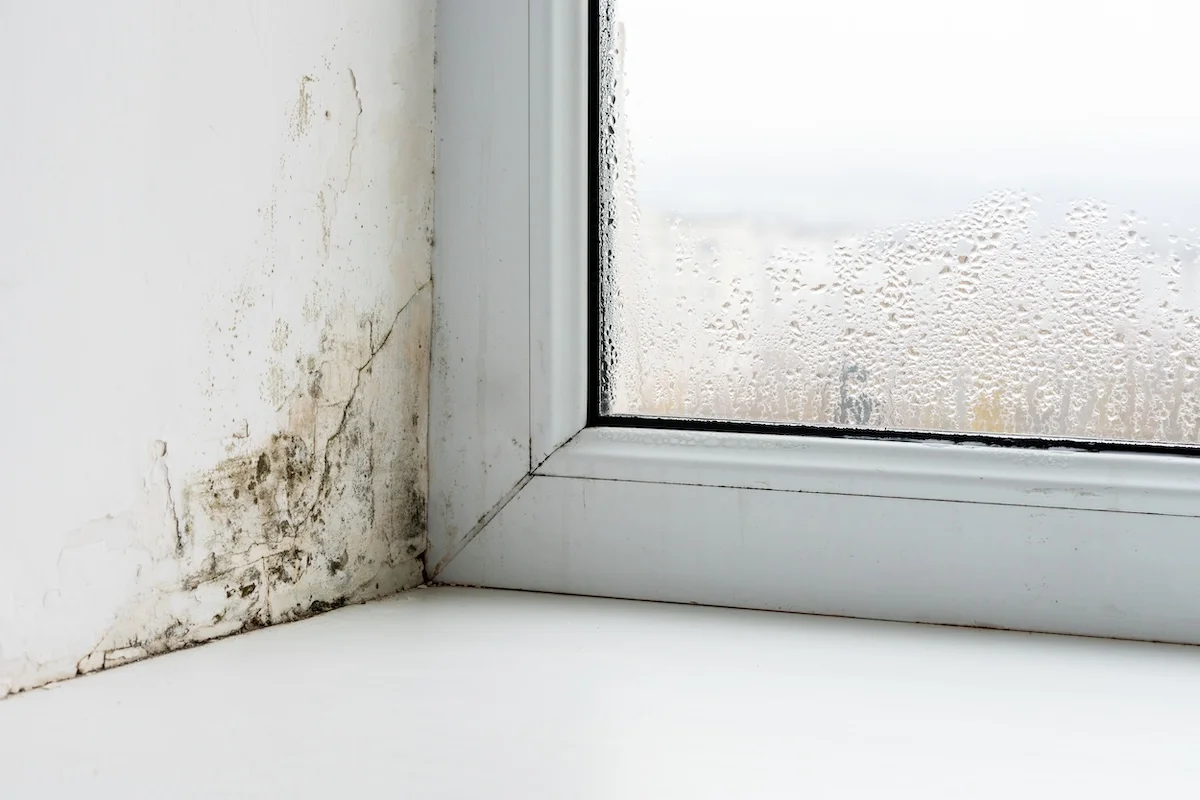
Condensation mould is caused when warm, moist air meets cold surfaces. While ventilation and heating habits can contribute, the primary causes are usually poor insulation, inadequate heating systems, and lack of ventilation — all of which are the landlord’s responsibility to address in a properly maintained property.
How to Report Damp and Mould to Your Landlord
The first step is always to report the problem to your landlord in writing — this creates a clear record and is often required before you can take further action. Follow these steps:
- Write to your landlord or housing officer by email or letter, describing the damp or mould in detail
- Include photographs of the affected areas with the date taken
- Note the date you first noticed the problem and any health effects you have experienced
- Keep a copy of all correspondence for your records
- Request a written response and a repair timeline
If your landlord does not respond within a reasonable time, you should escalate the matter. You can contact your local council’s environmental health department, the Housing Ombudsman (for housing association tenants), or call Tenants Advice for free advice on your next steps.
If you are a London tenant, see our guide to housing disrepair in London.
Can You Claim Compensation for Damp and Mould?
Yes. If your landlord has failed to deal with damp and mould within a reasonable time after being notified, and this has caused you harm or financial loss, you may be entitled to claim compensation. This can include:
- A proportion of rent paid during the period of disrepair
- Compensation for damage to clothing, furniture, or other belongings
- Compensation for personal injury or illness caused by mould exposure
- Any other financial losses attributable to the disrepair
Tenants Advice works with specialist solicitors who handle damp and mould claims on a no win no fee basis. You do not pay anything upfront, and if your case is unsuccessful you owe nothing.
What If You Have Children or Vulnerable Adults in Your Home?
Housing cases involving children under 18, elderly residents, or people with pre-existing health conditions are treated with additional urgency. Regulators and courts take a more serious view of disrepair that affects vulnerable household members. If this applies to you, make sure to mention it when you report the disrepair and when you contact Tenants Advice.
Dealing with Damp or Mould? We Can Help.
Call our free helpline: 0800 047 2017
Monday to Thursday 8am-6pm | Friday 8am-4pm | Saturday 10am-2pm