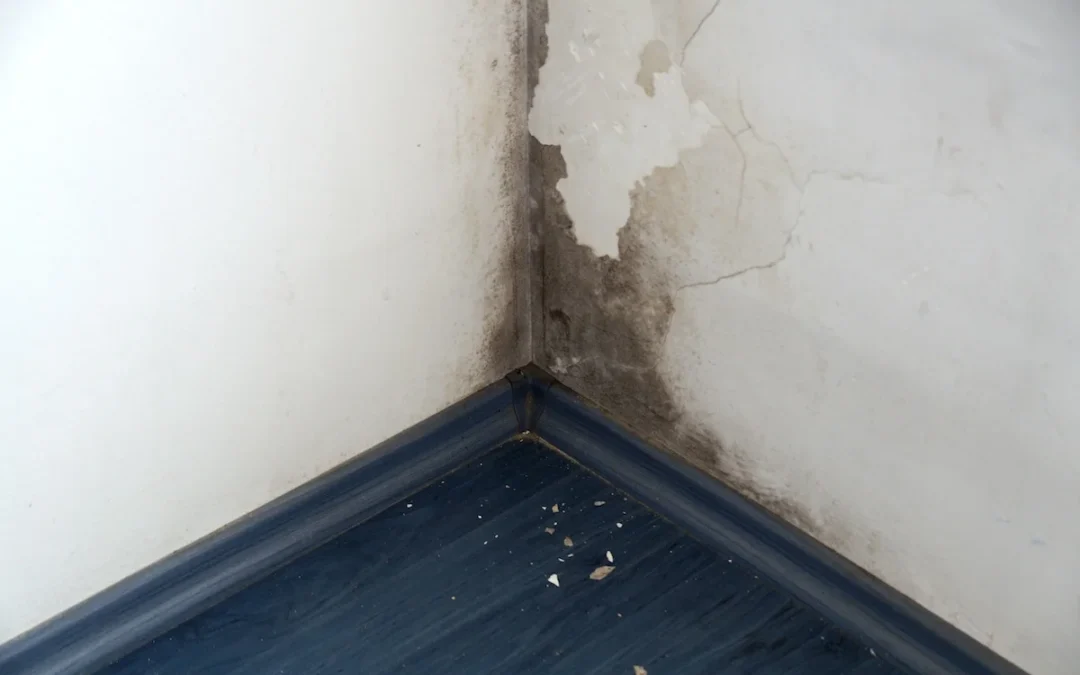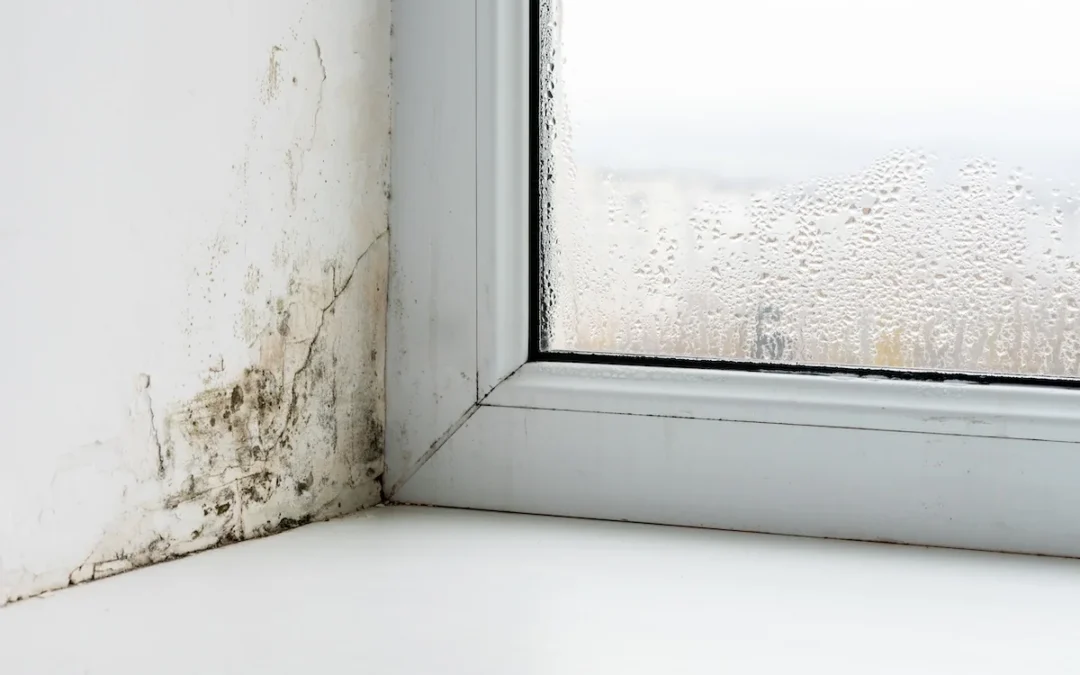

You reported the broken boiler. You flagged the spreading mould. You sent messages about the leaking roof. And still, nothing has happened. Your landlord is ignoring you, fobbing you off, or simply refusing to act. It is one of the most common and most distressing situations tenants face across the UK — and it is one that the law takes very seriously.
If your landlord is failing to carry out repairs, you have legal rights and practical options. This guide explains what they are and how to use them.
What Are Landlords Legally Required to Repair?
Under the Landlord and Tenant Act 1985 and the Homes (Fitness for Human Habitation) Act 2018, all landlords in England and Wales are legally obliged to keep their properties in a good state of repair. This includes:
- The structure and exterior of the property — roof, walls, foundations, windows, and doors
- Heating and hot water systems, including boilers, radiators, and pipes
- Gas pipes, flues, and installations
- Electrical wiring and installations
- Sinks, baths, toilets, and drainage systems
- Common areas such as staircases, lifts, and entrance halls (in blocks of flats)
Know This
Your landlord cannot opt out of these legal duties. Any clause in your tenancy agreement that attempts to transfer these responsibilities to you is unenforceable.
What Counts as a ‘Reasonable Time’ for Repairs?
Once you have notified your landlord of a repair, they must act within a ‘reasonable time’. The law does not specify exact timescales for every situation, but the following guidance applies:
- Emergency repairs (gas leaks, complete boiler failure in winter, flooding, dangerous electrical faults): within 24 hours
- Urgent repairs (partial heating failure, leaks causing damage, broken external locks): within a few days
- Routine repairs (minor leaks, general maintenance): typically within 28 days
Under Awaab’s Law, which applies to social housing tenants, landlords must now respond to damp and mould reports within 14 days, and begin emergency repairs within 24 hours. These are legally enforceable timeframes.
What Can You Do If Your Landlord Refuses to Act?
1. Put Everything in Writing
If you have not already done so, write to your landlord formally. Set out the problem clearly, reference any previous conversations or reports, and state a reasonable deadline for the repair to be completed. Send by email or recorded post so you have a clear paper trail. Keep copies of everything.
2. Escalate Within the Organisation
If your landlord is a council or housing association, you can escalate your complaint through their formal complaints procedure. Most social landlords are required by their regulator to have a complaints process, and using it creates an official record of your concerns.
3. Report to Your Local Council
Local councils have the power to inspect rental properties and require landlords to carry out repairs if the property is found to have hazards under the Housing Health and Safety Rating System (HHSRS). You can contact your council’s environmental health team to request an inspection. This is a particularly useful route if your landlord is a private individual.
4. Contact the Housing Ombudsman
If you rent from a housing association or council, the Housing Ombudsman can investigate complaints where the landlord has failed to respond adequately. The Ombudsman can require landlords to carry out repairs, provide compensation, and improve their practices. You generally need to have gone through the landlord’s own complaints process before approaching the Ombudsman.
5. Make a Formal Housing Disrepair Claim
If the above steps have not resolved the situation, you may be entitled to make a formal housing disrepair claim through the courts. A specialist solicitor will write to your landlord setting out the legal basis for the claim and demanding that repairs are completed and compensation paid.
Tenants Advice works with a panel of solicitors who handle housing disrepair claims on a no win no fee basis — meaning you do not need to pay anything upfront. Call our free helpline on 0800 047 2017 to find out if you have a valid claim.
Don’t Wait
You do not have to wait until the disrepair causes you a serious injury or illness before taking action. If your landlord has failed to respond to a repair report within a reasonable time, you already have grounds to seek legal advice.
Can You Withhold Rent If Your Landlord Won’t Make Repairs?
This is one of the most commonly asked questions — and the answer is: withholding rent is a very risky course of action that we strongly advise against without specialist legal guidance. While tenants have legal rights around disrepair, withholding rent can expose you to rent arrears proceedings and potentially affect your tenancy. There are far more effective and legally protected routes available to you, as outlined in this guide.
Are You Protected Against Eviction for Complaining?
Yes. The Deregulation Act 2015 provides protection against retaliatory eviction for private tenants who have made a legitimate complaint about disrepair. If your landlord tries to serve a Section 21 notice within six months of you making a complaint to a local authority, the notice will be invalid.
For social housing tenants, eviction in response to a housing complaint may constitute a breach of your tenancy agreement and is something a solicitor can challenge.
What Compensation Can You Claim?
If you make a successful housing disrepair claim, you may be entitled to:
- A reduction in rent for the period during which the property was in disrepair (general damages)
- Compensation for damage to your belongings
- Compensation for personal injury or illness caused by the disrepair
- Any out-of-pocket financial losses caused by the landlord’s failure to act
The exact amount depends on the nature of the disrepair, how long it went unaddressed, and the impact it had on you and your household.
What If You Are in Temporary or Emergency Accommodation?
Tenants in temporary accommodation — including those placed by councils in B&Bs, hostels, or short-term lets — still have rights, though the specific legal framework may differ. If you are unsure about your rights in your specific situation, contact Tenants Advice and speak to one of our trained advisers.
Get Free Advice Today
Tenants Advice has helped advise over 290,000 residents through our free telephone helpline in 2025 alone. Our team is trained to provide guidance to council tenants, housing association tenants, leaseholders, and shared owners facing a wide range of housing issues.
If your landlord is not carrying out repairs and you want to understand your options, we are here to help. There is no charge for our advice, and we can tell you quickly whether you have a strong basis for a claim.